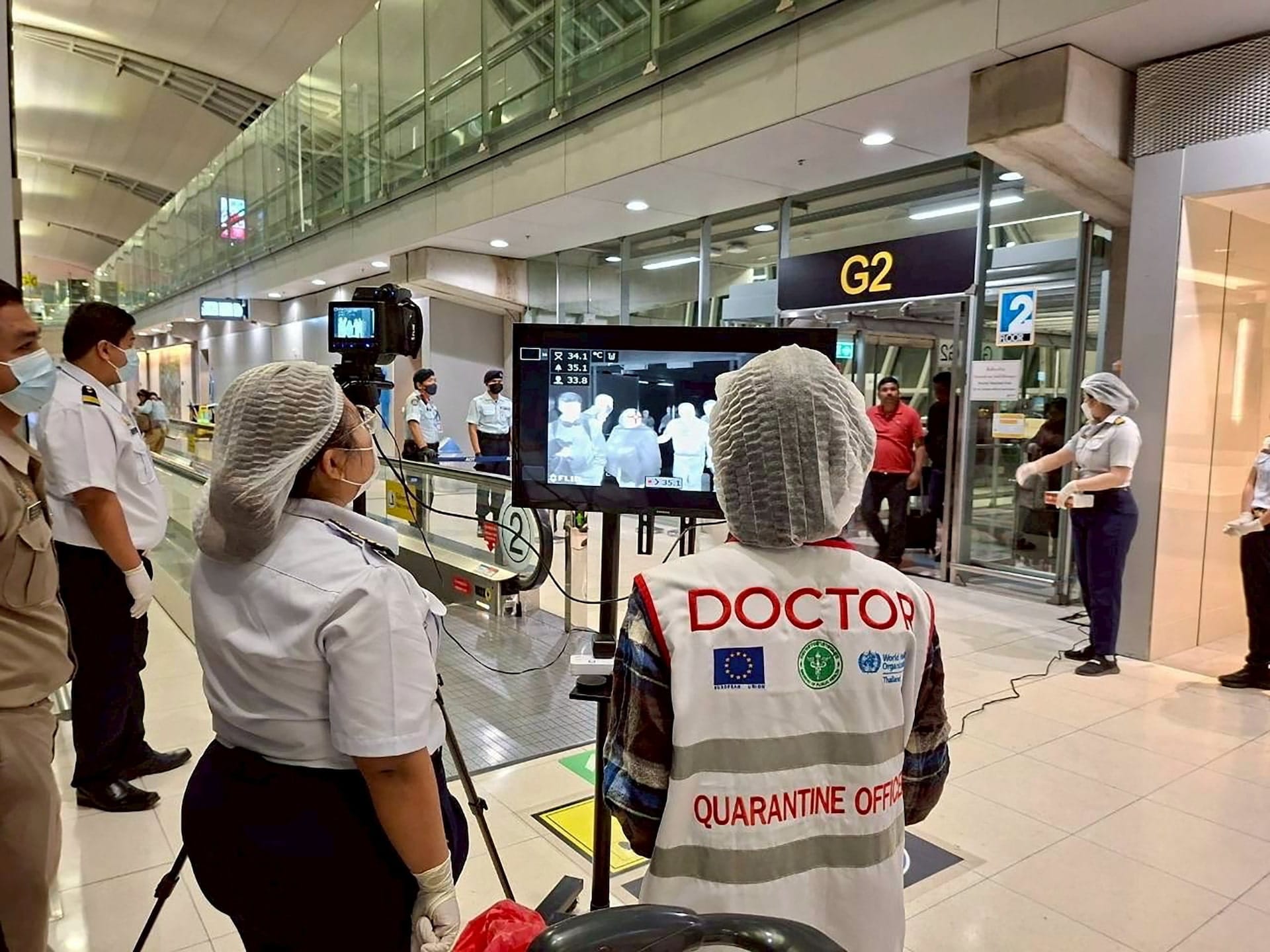
Understanding the Nipah Virus: A Growing Concern for the United States
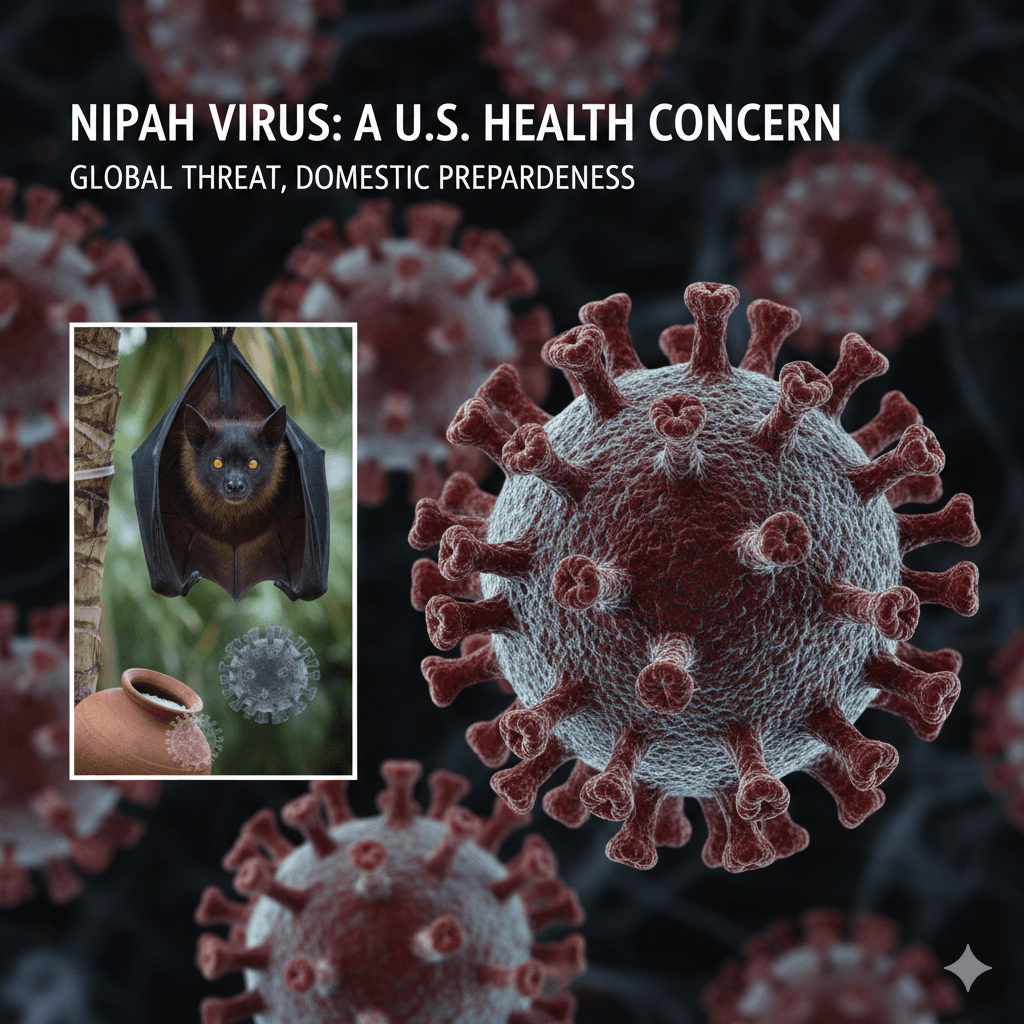
While not currently endemic in the United States, the Nipah virus (NiV) represents a significant global health threat that warrants attention from public health officials, healthcare providers, and the general public alike. With its high mortality rate and potential for person-to-person spread, understanding NiV is crucial in an increasingly interconnected world.
What is Nipah Virus?
Nipah virus is a zoonotic virus, meaning it can spread from animals to humans. The primary natural hosts for NiV are fruit bats (specifically those of the Pteropus genus, also known as flying foxes). These bats are found in parts of Asia, Africa, and Australia. The virus was first identified in 1999 during an outbreak among pig farmers in Malaysia and Singapore. Since then, outbreaks have primarily occurred in Bangladesh and India.
How Does Nipah Virus Spread?
The transmission pathways of Nipah virus are diverse and can include:
- Direct contact with infected animals: This is how the initial outbreaks in Malaysia and Singapore occurred, with pigs acting as intermediate hosts between bats and humans.
- Consumption of contaminated food: In Bangladesh and India, a common route of infection has been the consumption of raw date palm sap contaminated with bat bodily fluids (urine or saliva).
- Person-to-person transmission: This is a particularly concerning aspect of NiV. Close contact with infected individuals or their bodily fluids can lead to human-to-human spread, especially in healthcare settings or within families. This type of transmission increases the potential for wider outbreaks.
Symptoms and Severity
Symptoms of Nipah virus infection can range from mild to severe and typically appear within 4 to 14 days after exposure. They can include:
- Fever
- Headache
- Myalgia (muscle pain)
- Vomiting
- Sore throat
More severe cases can progress to:
- Acute encephalitis (swelling of the brain)
- Drowsiness
- Disorientation
- Seizures
- Coma
The mortality rate for Nipah virus infection is high, estimated to be between 40% and 75%, depending on the outbreak and region.
Why is Nipah Virus a Concern for the United States?
Even though NiV is not currently found in the U.S., several factors make it a concern:
- Global Travel: International travel means that an infected individual could potentially bring the virus into the country, leading to isolated cases or even small clusters if not quickly identified and contained.
- Lack of Specific Treatment or Vaccine: Currently, there is no licensed vaccine for NiV in humans, nor are there specific antiviral treatments. Treatment is primarily supportive, focusing on managing symptoms and complications.
- Biosecurity Risk: The potential for person-to-person spread and the high mortality rate make NiV a significant biosecurity concern, requiring robust preparedness and response strategies.
- Research and Development: The U.S. plays a vital role in global health research. Understanding NiV is critical for developing effective diagnostics, treatments, and vaccines that could protect not only at-risk populations abroad but also safeguard against potential future threats domestically.
Preparedness and Prevention
While the immediate risk to the general public in the U.S. remains low, preparedness is key. For those traveling to regions where Nipah virus is endemic, it’s advisable to:
- Avoid contact with sick pigs or other animals.
- Avoid consuming raw date palm sap or fruits that may have been contaminated by bats.
- Practice good hand hygiene.
- Be aware of local health advisories.
For public health authorities in the U.S., continued surveillance, rapid diagnostic capabilities, and robust infection control protocols are essential to quickly identify and manage any potential imported cases, preventing wider spread. Research into vaccines and antiviral therapies also remains a top priority.
By staying informed and supporting global health initiatives, the United States can play a critical role in mitigating the threat of emerging infectious diseases like the Nipah virus.
Here’s an image to accompany the article: